
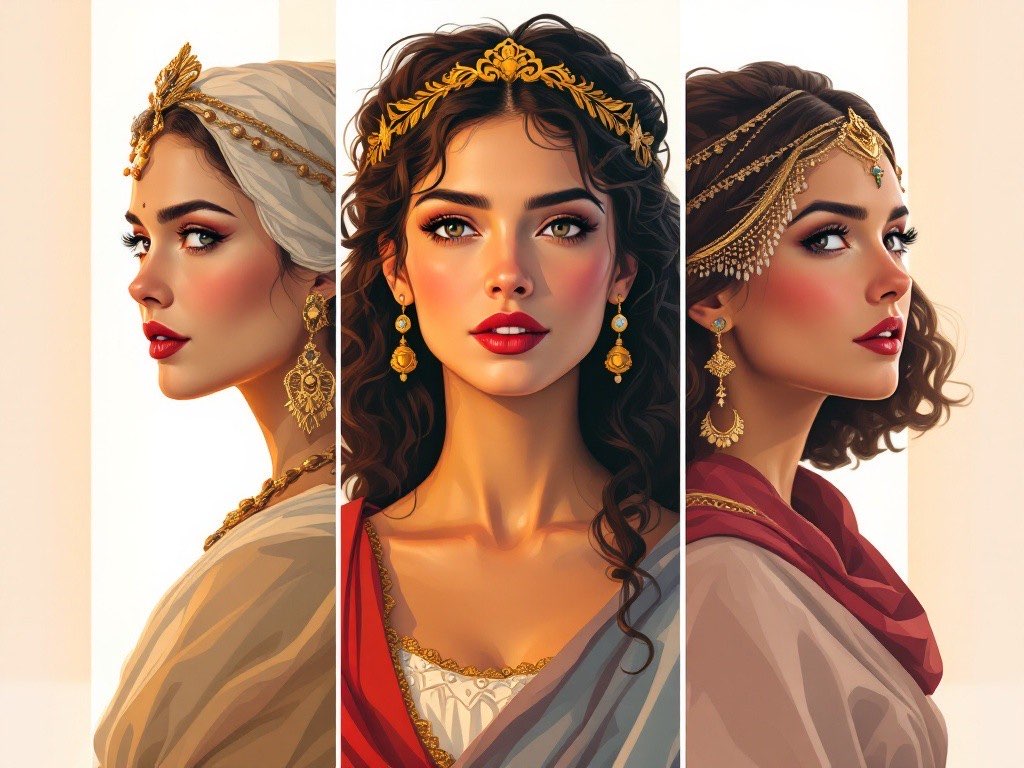
Facial beauty has been a focus of human culture for thousands of years, but how did we get from crushed berries to bespoke facials? The evolution of facial beauty has been dramatic and it continues to change as our knowledge of the beauty industry and understanding of science increases. Skincare and beauty rituals have been ingrained in a range of cultures worldwide since 3000 BCE, utilising a variety of products and techniques, from elaborate facial treatments to natural ingredients. To get an idea as to where facial beauty might be going in the future and to appreciate the rich background in beauty and cosmetics, you need to understand the full history of facial beauty and the evolution of skincare. These traditional beauty remedies have shaped modern facial aesthetics and the approaches that we have come to know, use and enjoy today.
The earliest recorded skincare regiment in history dates back to Egypt, where Cleopatra, in 3000 BCE is known to have bathed in milk and honey in order to smooth and hydrate her skin. Although we don’t bathe in sour milk now, modern facial aesthetics has been heavily influenced by these traditional beauty remedies.
In ancient times, skincare regimes weren’t just for aesthetic purposes, they also held religious and cultural significance. Here are some ancient skincare regimes from around the world:
The medieval era was full of strange practices, beauty innovations and often dangerous misconceptions, such as lead-based cosmetics. This era not only shaped beauty products we use today, but also helped us to understand what products and ingredients we should avoid. In medieval times, they used dog faeces to cure lung diseases, washed clothes in urine and even worse the testicles of a weasel as a necklace as a form of birth control. Aside from their strange and dangerous practices, some of their skincare was actually fairly standard and potentially effective, such as:
As well as natural ingredients like this, gemstones were also used. For example, they would lick an amethyst and rub it over spots and blemishes.
The renaissance era was also full of dangerous and strange practices. Queen Elizabeth was covered in scars after contracting the pox, in a bid to reduce and cover them, she used lead to make her skin pale and mercury as a skin cleanser. Copying her lead, many women plastered their face in layers of lead for a full week, before washing it off and reapplying it. It is believed that lead poisoning contributed to the death of the Queen. Another way noblewomen would maintain a pale complexion was through bloodletting, blood loss whitened their skin. Safer traditional beauty remedies in the renaissance era included using sesame seed oil, beeswax and honey to soften skin, lemon juice or rosewater to stop blemishes, uncooked egg whites to hide wrinkles and leather masks to prevent sun damage.
The industrial revolution played a significant role in the evolution of skincare. It was during this era that the cosmetics industry was born. With technological advancements and the shift to scientific approaches in skincare, this era saw the introduction of a range of new beauty products and practices.
Home remedies were still used, such as a mixture of oats, egg yolks and honey to soften the skin, lemon juice to naturally bleach the skin, rosewater to freshen the skin, and zinc oxide to lighten the skin. But commercial products were also starting to become available. For example, Vaseline was made from petroleum and women would add fresh petals to make a lip gloss. We also saw the first talcum powder (scented starch) Witch Hazel, Pears soap, Cold Cream and Yardley’s.

Modern facial aesthetics and bespoke treatments combine traditional beauty remedies and wisdom, with modern and advanced techniques, such as microdermabrasion, chemical peels, and LED therapy. These innovations in modern facial aesthetics honour traditional beauty remedies, while addressing modern skincare concerns. Following this rich evolution of skincare, the cosmetics industry is now worth billions, with more people looking for scientific ways to prevent ageing and enhance the beauty of their skin.
As you have seen, the heritage of facial beauty is rich, longstanding and diverse, it has evolved to better serve and meet the needs of contemporary clients. With a better scientific understanding of cosmetics, we are able to avoid damaging products such as mercury and lead, but continue to use the beneficial ingredients introduced to us by our ancestors.
Our bespoke and traditional, yet modern, aesthetic treatments are a perfect blend of history and innovation, providing our clients with a unique and tailored experience. To see what aesthetic we have available, or for more information on our beauty and skincare options, navigate through our website, or contact a member of our highly trained and experienced team.
